We design and install photovoltaic systems in La Paz and Baja California Sur for homes, businesses and properties looking to reduce grid consumption, add battery backup or solve energy needs in remote locations.
Strong solar resourceBCS has particularly favorable solar conditions.
Grid-tied systemsReduce the electricity you draw from the grid.
Hybrid + batteriesCombine solar generation with backup.
Off-grid solutionsPower for ranches and remote locations.
Choose by need
Not every solar project is trying to solve the same problem.
The number of panels is only one part of the design. We first define what you need to achieve: lower utility consumption, backup during outages, energy independence or a specific application such as water pumping.
☀
Reduce CFE electricity consumption
A grid-tied photovoltaic system produces energy during the day to reduce the electricity your property needs from the utility grid. System size should begin with your consumption history and site conditions.
Solar panels alone do not guarantee electricity when the grid goes down. To support priority loads during an outage, we design hybrid systems with the appropriate inverter and battery storage.
When extending the utility grid is not practical, an off-grid system can combine photovoltaic generation, batteries and load management to operate independently.
For solar pumping, we start with the hydraulic requirement: flow, total head, distance and operating schedule before selecting the pump and photovoltaic array.
Baja California Sur has one of Mexico's most attractive solar resources.
State energy planning identifies areas of BCS with global horizontal irradiation above 5.5 kWh/m²/day, creating favorable conditions for photovoltaic generation. Actual output still depends on orientation, tilt, shading, temperature and the equipment used.
Your electricity bill is the starting point
We review kWh consumption and historical usage before discussing the number of modules.
The roof matters too
Orientation, shading, usable area, roof type and structural conditions all influence the design.
More panels are not always better
An oversized system may not be the best decision. We look for the right balance between production, consumption and project goals.
Process
From your electricity bill to a system designed for your property.
A useful quote requires more than a price per panel. Our process starts by understanding consumption, available space, important loads and your goals before selecting equipment.
Step 01
We review consumption
CFE bill, tariff, usage history and consumption pattern.
Step 02
We evaluate the site
Available area, shading, orientation, location and installation conditions.
Step 03
We define the architecture
Grid-tied, hybrid with batteries, off-grid or a specialized solar application.
Step 04
We design the proposal
Equipment, protection, project scope and recommended next steps.
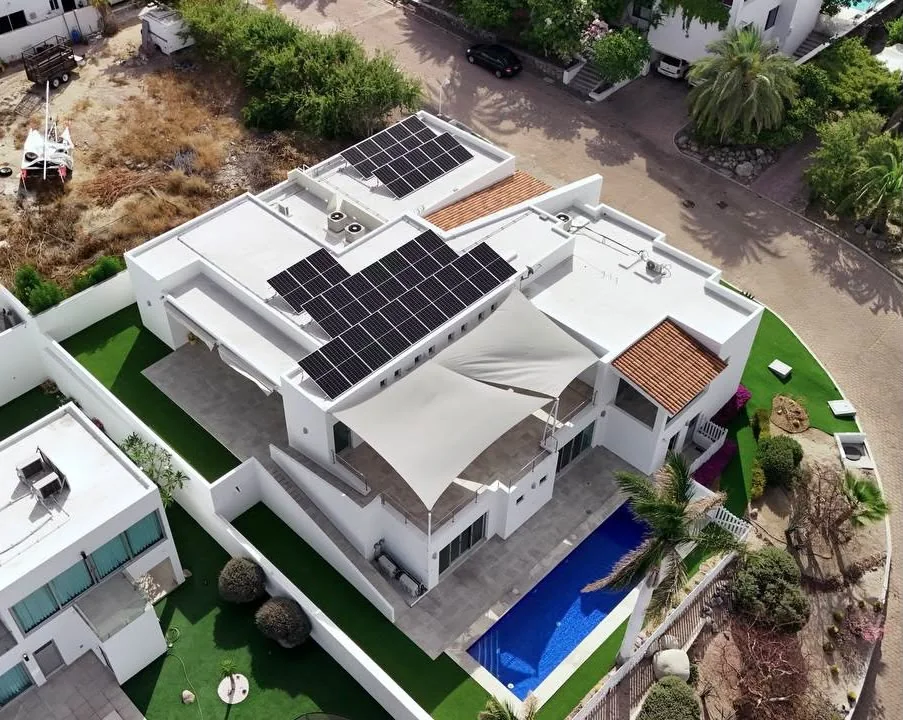
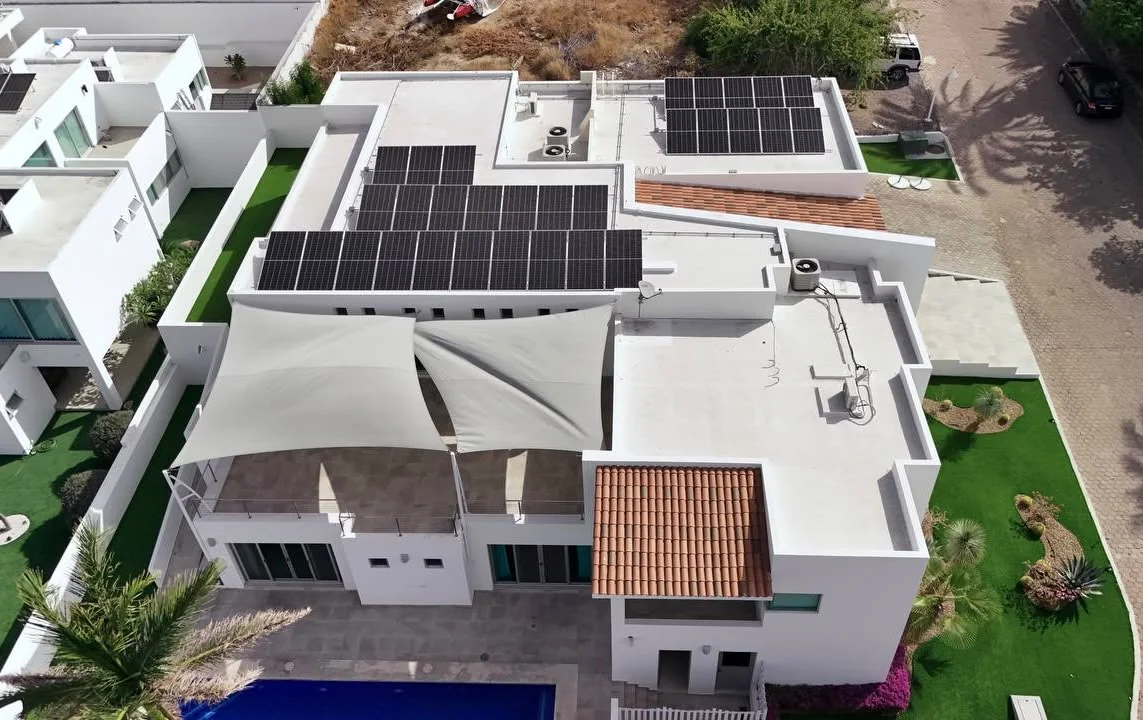
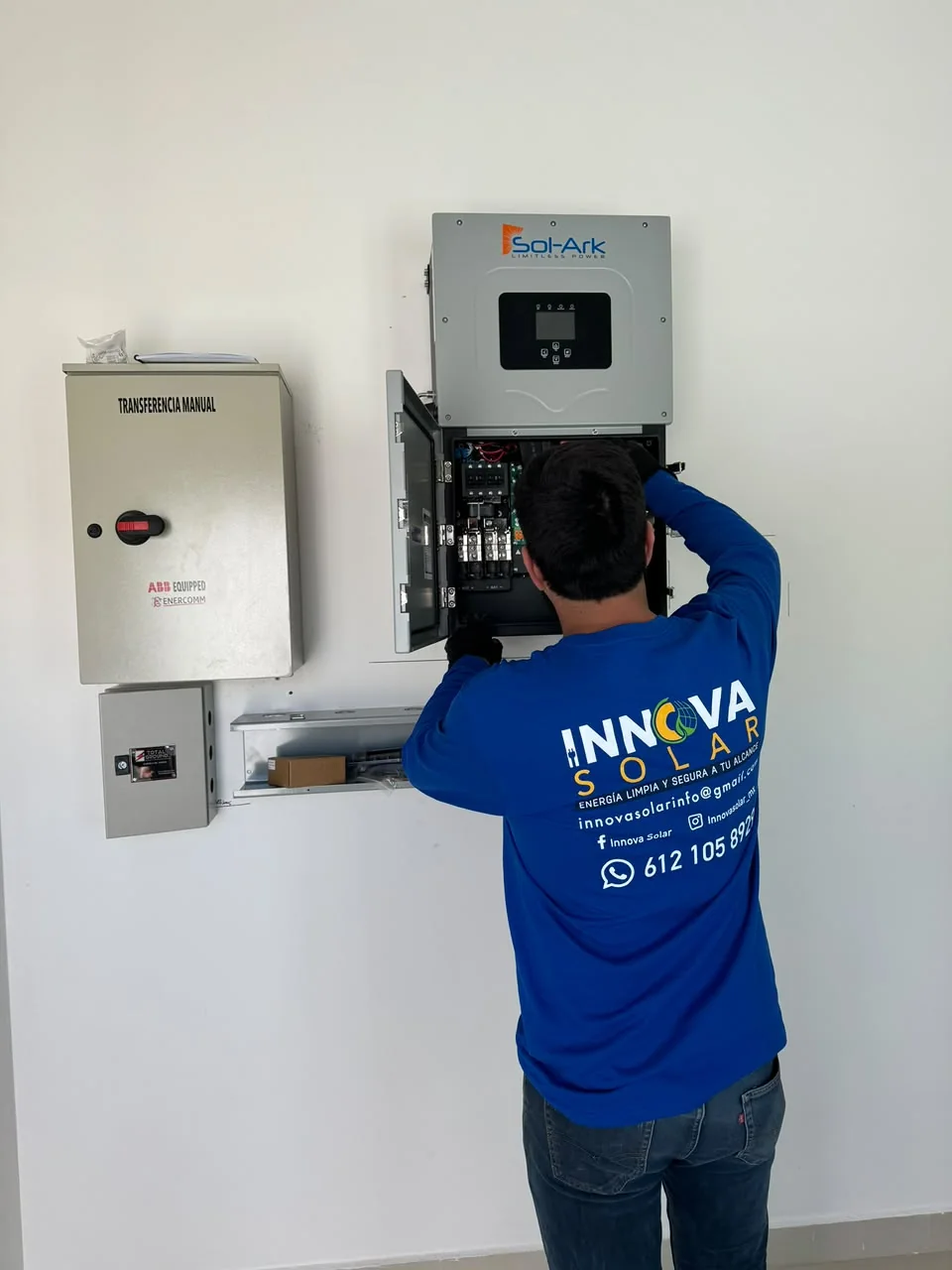
Real project · La Piedra
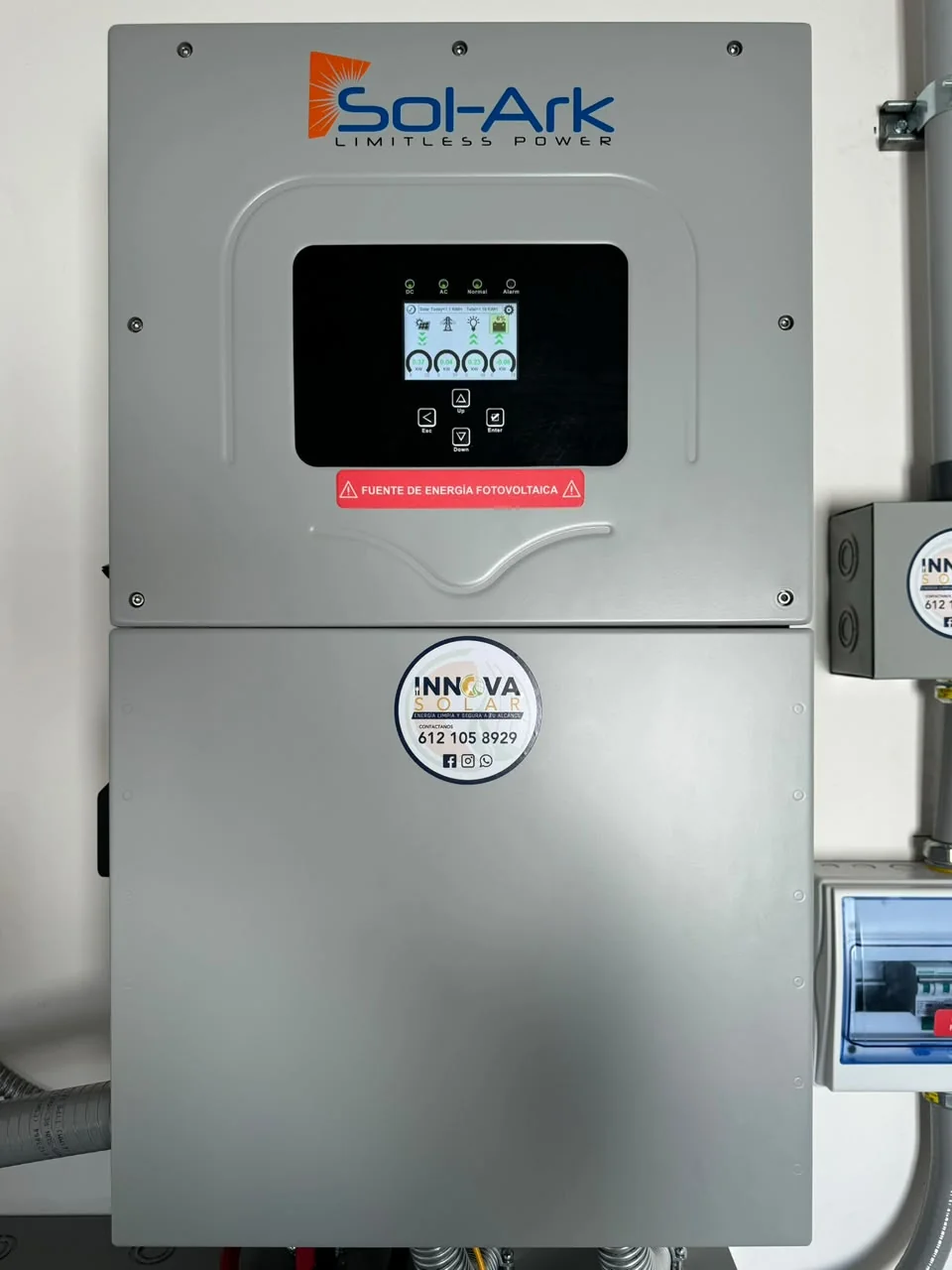
A hybrid solar system installed in La Paz.
The La Piedra project shows how a solar installation can go beyond placing modules on a roof: photovoltaic generation, a hybrid inverter, battery storage, protection and system configuration work together as one integrated energy system.
What happens to the energy produced by a grid-tied solar system?
For electric generating facilities below 0.5 MW, CFE provides distributed generation arrangements including Net Metering, Net Billing and Total Energy Sale. The applicable arrangement depends on the project and the electricity supply contract.
According to CFE's published interconnection information, the contracting process is free of charge; if an evaluation of the General Distribution Networks is required, that evaluation may create a cost for the applicant.
Net MeteringEnergy consumed from the grid and energy generated are compensated under the applicable arrangement.
Net BillingEnergy consumed and energy delivered to the grid are accounted for separately.
Total Energy SaleThe generating facility sells all electricity produced under the applicable arrangement.
Common questions
Before requesting a solar quote in La Paz.
These are some of the questions worth answering before deciding system size, inverter type or whether batteries belong in the project.
There is no correct number without reviewing your consumption. Sizing should consider kWh usage, available space, orientation, shading and the goal of the project.
A conventional grid-tied system normally shuts down when the utility grid fails. To support loads during an outage, the system must be designed for backup operation, typically with a hybrid inverter and batteries.
In many projects, yes. It is best to define that intention during the initial design so the architecture can be selected for compatibility and unnecessary rework can be avoided.
If the system will be connected to the utility grid, it must follow the applicable interconnection process. Specific requirements depend on the service and the characteristics of the solar system.
For an initial assessment, the most useful information is a recent CFE bill, the property location and a short explanation of your goal: savings, backup, energy independence or a specialized use such as water pumping.
Request a quote
Start by sending us your CFE electricity bill.
With your consumption, location and project goals, we can begin defining which type of solar system makes sense for your property in La Paz or elsewhere in Baja California Sur.